

Better Cities Project
  • Home
  • About Us
    Our Vision
    BCP’s vision is that free-market municipal policy solutions are broadly available, widely acceptable, and regularly employed, enabling American cities to achieve their full potential as engines of economic prosperity. We reject the idea that cities are lost to free-market principles or policies.
    Our Mission
    BCP uncovers ideas that work, promotes realistic solutions, and forges partnerships that help people in America’s largest cities live free and happy lives.
    Learn More
    • About Better Cities Project
    • Our Focus Areas
    • Our Team
    • Collaboration and Careers -- Work With BCP
  • Research and Projects
  • Latest Insights
  • Videos
  • Contact

    Address

    304 S. Jones Blvd #2826
    Las Vegas NV 89107

    Phone

    (702) 608-2046‬

    Hours

    Monday through Friday, 8 a.m. - 5 p.m.

    Email

    info@better-cities.org

No Result
View All Result
Better Cities Project
  • Home
  • About Us
    Our Vision
    BCP’s vision is that free-market municipal policy solutions are broadly available, widely acceptable, and regularly employed, enabling American cities to achieve their full potential as engines of economic prosperity. We reject the idea that cities are lost to free-market principles or policies.
    Our Mission
    BCP uncovers ideas that work, promotes realistic solutions, and forges partnerships that help people in America’s largest cities live free and happy lives.
    Learn More
    • About Better Cities Project
    • Our Focus Areas
    • Our Team
    • Collaboration and Careers -- Work With BCP
  • Research and Projects
  • Latest Insights
  • Videos
  • Contact

    Address

    304 S. Jones Blvd #2826
    Las Vegas NV 89107

    Phone

    (702) 608-2046‬

    Hours

    Monday through Friday, 8 a.m. - 5 p.m.

    Email

    info@better-cities.org

No Result
View All Result
Better Cities Project
No Result
View All Result
Home Economic Prosperity

Can Kansas really afford this stadium?

The state is hedging on the tax-exempt status of $1.8 billion in bonds for the Chiefs' new home

Patrick TuoheybyPatrick Tuohey
January 16, 2026
in Economic Prosperity
Reading Time: 2 mins read
A A
The math doesn’t work: Kansas’ STAR bonds alone can’t fund a Chiefs stadium
Share on FacebookShare on TwitterLinkedInEmail
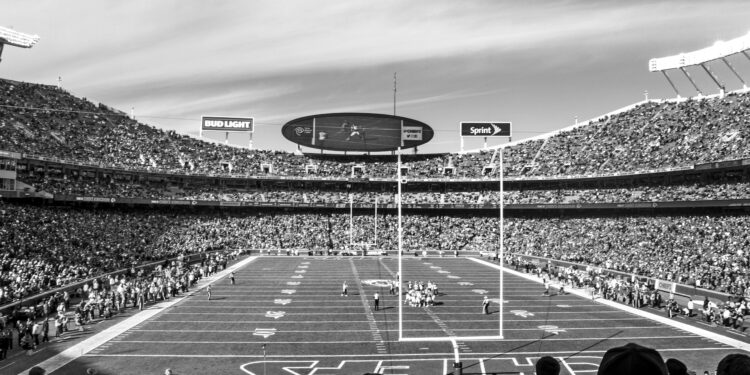
Kansas has named its financing team for what could become one of the largest municipal bond deals in state history: $1.8 billion in special revenue bonds to help fund a $3 billion domed stadium for the Kansas City Chiefs, who plan to move across the state line by the 2031 NFL season. But even as the Kansas Department of Commerce promotes the deal, officials are quietly hedging on a crucial point: whether the bonds will be tax-exempt.

Earlier this month, Commerce Department Chief Counsel Robert North told The Bond Buyer, “I don’t think we know enough today to be able to say [the bonds are] going to be 100% tax-exempt, but certainly the vast majority we expect to be tax-exempt.” That’s a striking admission. Officials rarely speak this cautiously about stadium finance packages. And the distinction matters. Tax-exempt municipal bonds carry lower interest rates, saving public entities millions over time. Taxable bonds, by contrast, cost more. If projected tax revenues fall short, Kansas could end up paying far more than expected to lure the team.

The structure of the deal helps explain the uncertainty. Though the stadium would be publicly owned, the Chiefs would operate it, keep all revenue, control scheduling, and receive state-backed funds for a new team headquarters and practice facilities. Under IRS rules, this kind of private benefit can disqualify bonds from tax-exempt status—even if the stadium is technically public.

RelatedInsights

The math doesn’t work: Kansas’ STAR bonds alone can’t fund a Chiefs stadium

What cities can learn from the backlash against data centers

Denver study shows removing parking requirements results in more affordable housing being built

The Chicago Bears’ stadium debt should give other cities pause

Officials seem to be bracing for that outcome. The STAR Bond agreement allows for taxable tranches, and North said that if the bonds go unrated, they’ll likely be marketed to “sophisticated investors”—a move that gives the state more flexibility, but limits demand and raises costs.

The revenue streams backing the bonds add more risk. Instead of relying on general state sales taxes, the deal depends on project-generated revenues: increases in sales and liquor tax collections, plus portions of lottery and sports wagering revenue. On paper, these are public funds. But if they depend on team activity, the IRS may treat them as private payments.

This makes the deal more risky. North noted the financing is still “probably 10 to 12 months away.” That suggests state officials are still working to strike a delicate legal balance: preserving tax-exempt status while handing the team control and profit.

This also isn’t Kansas’s first go with STAR bonds. A 2021 legislative audit found only three of sixteen STAR bond projects met Commerce’s goals for attracting out-of-state visitors. One high-profile STAR bond project, the Prairiefire development in Overland Park, defaulted on its STAR bond payments in late 2023 and has since struggled with a second bond default. While courts have clarified how limited funds should be applied, the debt has not been fully cured, and bondholders—not taxpayers—remain on the hook.

Given that history, the Commerce Department’s caution makes sense. But it also points to a larger concern for taxpayers: If this were a clean, easy case for tax-exempt financing, officials wouldn’t be managing expectations this early. That they are should prompt serious scrutiny—not just of the numbers, but of the whole public-private model on offer.

Tags: BondsEconomic DevelopmentEconomicsFiscal PolicyKansasStadium Funding
Previous Post

Why American cities stopped building — and how to fix it

Patrick Tuohey

Patrick Tuohey

Patrick Tuohey is co-founder and policy director of the Better Cities Project. He works with taxpayers, media, and policymakers to foster understanding of the consequences — sometimes unintended — of policies such as economic development, taxation, education, and transportation. He also serves as a senior fellow at Missouri's Show-Me Institute and a visiting fellow at the Virginia-based Yorktown Foundation for Public Policy.

Explore More

  • Economic Prosperity
  • Criminal Justice and Public Safety
  • Transportation and Infrastructure
  • Education
  • Energy and Environment
  • Community, Growth and Housing
  • Clean, Open and Fair Government

Recent News

The math doesn’t work: Kansas’ STAR bonds alone can’t fund a Chiefs stadium

Can Kansas really afford this stadium?

January 16, 2026
Why American cities stopped building — and how to fix it

Why American cities stopped building — and how to fix it

January 15, 2026
Dome, Convention Center are the opposite of ‘regional assets’

Dome, Convention Center are the opposite of ‘regional assets’

January 13, 2026
The vanishing starter home

The vanishing starter home

January 6, 2026
Load More
Facebook Twitter RSS
Better Cities Project

BCP helps local leaders leverage public policy to create freer and happier communities. We uncover what works, promote solutions, and forge partnerships that turn ideas into results.


© 2025 Better Cities Project

Our Focus Areas

  • Economic Prosperity
  • Criminal Justice and Public Safety
  • Transportation and Infrastructure
  • Education
  • Energy and Environment
  • Community, Growth and Housing
  • Clean, Open and Fair Government

The Fine Print

  • Privacy Policy
  • Terms and Conditions
  • Reports and Financials

Recent News

The math doesn’t work: Kansas’ STAR bonds alone can’t fund a Chiefs stadium

Can Kansas really afford this stadium?

January 16, 2026
Why American cities stopped building — and how to fix it

Why American cities stopped building — and how to fix it

January 15, 2026
Dome, Convention Center are the opposite of ‘regional assets’

Dome, Convention Center are the opposite of ‘regional assets’

January 13, 2026

Welcome Back!

Login to your account below

Forgotten Password?

Retrieve your password

Please enter your username or email address to reset your password.

Log In

Add New Playlist

Love Cities? So Do We.

Get ahead of the curve -- learn about innovations, ideas and policies driving change in America's largest cities, with BCP in your inbox.


You have Successfully Subscribed!

No Result
View All Result
  • About Us
  • The Team
  • Work With Better Cities Project
  • Research and Projects
  • Latest Insights
  • Videos

© 2025 Better Cities Project