


Better Cities Project
  • Home
  • About Us
    Our Vision
    BCP’s vision is that free-market municipal policy solutions are broadly available, widely acceptable, and regularly employed, enabling American cities to achieve their full potential as engines of economic prosperity. We reject the idea that cities are lost to free-market principles or policies.
    Our Mission
    BCP uncovers ideas that work, promotes realistic solutions, and forges partnerships that help people in America’s largest cities live free and happy lives.
    Learn More
    • About Better Cities Project
    • Our Focus Areas
    • Our Team
    • Collaboration and Careers -- Work With BCP
  • Research and Projects
  • Latest Insights
  • Videos
  • Contact

    Address

    304 S. Jones Blvd #2826
    Las Vegas NV 89107

    Phone

    (702) 608-2046‬

    Hours

    Monday through Friday, 8 a.m. - 5 p.m.

    Email

    info@better-cities.org

No Result
View All Result
Better Cities Project
  • Home
  • About Us
    Our Vision
    BCP’s vision is that free-market municipal policy solutions are broadly available, widely acceptable, and regularly employed, enabling American cities to achieve their full potential as engines of economic prosperity. We reject the idea that cities are lost to free-market principles or policies.
    Our Mission
    BCP uncovers ideas that work, promotes realistic solutions, and forges partnerships that help people in America’s largest cities live free and happy lives.
    Learn More
    • About Better Cities Project
    • Our Focus Areas
    • Our Team
    • Collaboration and Careers -- Work With BCP
  • Research and Projects
  • Latest Insights
  • Videos
  • Contact

    Address

    304 S. Jones Blvd #2826
    Las Vegas NV 89107

    Phone

    (702) 608-2046‬

    Hours

    Monday through Friday, 8 a.m. - 5 p.m.

    Email

    info@better-cities.org

No Result
View All Result
Better Cities Project
No Result
View All Result
Home Economic Prosperity

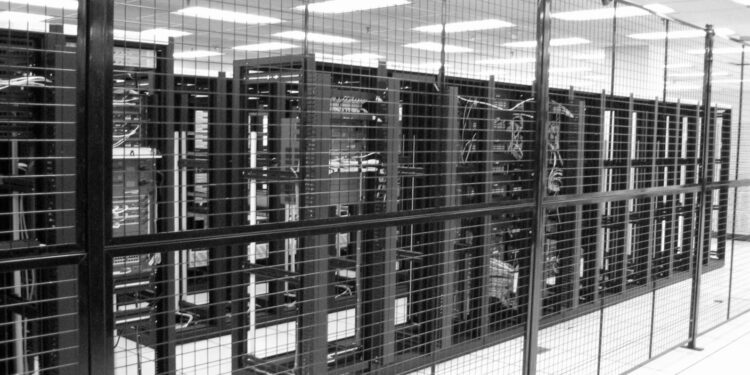
What cities can learn from the backlash against data centers

The infrastructure demands of AI-era growth are sparking local resistance — and forcing a rethink of big-tech incentives

Patrick TuoheybyPatrick Tuohey
November 26, 2025
in Economic Prosperity
Reading Time: 2 mins read
A A
Powering progress or draining resources?
Share on FacebookShare on TwitterLinkedInEmail
In the past year, large data center projects have begun to face something new: organized public resistance. As WIRED recently reported, local opposition delayed or blocked nearly $98 billion worth of new data center construction in the second quarter of 2025 alone. The pushback isn’t confined to a single region or political leaning. From Indiana and Virginia to Georgia and California, cities are hitting pause on developments once billed as economic wins.

Residents cite familiar concerns. Data centers require enormous amounts of electricity and water, and they often offer few permanent jobs in return. They can increase utility costs, strain public infrastructure, and tie up land for low-activity uses. The public benefits — usually framed around tax revenues or tech-sector prestige — are less immediate or tangible for those living nearby.

These projects also tend to rely heavily on local and state tax incentives. But as some cities have discovered, the costs may not balance out. Subsidies offered up front can dwarf long-term revenue gains, especially if power and water systems require costly upgrades or if local governments must cover new infrastructure without guaranteed returns. I wrote about the specifics of such incentives in Kansas City, Missouri, earlier this year.

RelatedInsights

Denver study shows removing parking requirements results in more affordable housing being built

The Chicago Bears’ stadium debt should give other cities pause

“Privately funded” stadiums? Read the fine print

New Resource: Local Policies to Expand Economic Opportunity

The backlash isn’t purely about economics. In many places, residents are raising environmental concerns. Water-stressed areas question the logic of allowing high-demand facilities that operate 24/7. Cities with tight electricity grids worry about reliability and long-term capacity. In both cases, the problem isn’t just scale — it’s alignment with local infrastructure limits.

For cities considering tech-driven growth strategies, this wave of resistance offers a useful prompt. Rather than viewing large data facilities as default positives, local leaders should start with clear assessments: What is the net impact on infrastructure? How will the facility affect existing utility rates and capacity? Are the economic benefits both measurable and shared?

One potential reform is to tie any local incentives to infrastructure readiness. If a city cannot meet power or water demand without major upgrades, public dollars might be better spent elsewhere. Alternatively, cities could shift their incentive frameworks toward smaller, more energy-efficient operations that distribute demand more evenly across neighborhoods.

Cities should also require clearer public benefit disclosures. Before approving a major facility, leaders can request modeling on grid impacts, water use, and anticipated tax contributions. These assessments should be public and standardized, not tailored by the developer.

Data centers may be part of the future, but they are not a one-size-fits-all solution. Cities will need to balance their role in the digital economy with their obligations to residents. That means evaluating growth not just by square footage or investment totals, but by the long-term capacity of civic infrastructure to sustain it.
Tags: Corporate IncentivesData CentersEconomic DevelopmentSubsidiesZoning
Previous Post

What other cities can learn from New York’s decade of housing regulation

Next Post

Why cities that won millennials are now losing families

Patrick Tuohey

Patrick Tuohey

Patrick Tuohey is co-founder and policy director of the Better Cities Project. He works with taxpayers, media, and policymakers to foster understanding of the consequences — sometimes unintended — of policies such as economic development, taxation, education, and transportation. He also serves as a senior fellow at Missouri's Show-Me Institute and a visiting fellow at the Virginia-based Yorktown Foundation for Public Policy.

Explore More

  • Economic Prosperity
  • Criminal Justice and Public Safety
  • Transportation and Infrastructure
  • Education
  • Energy and Environment
  • Community, Growth and Housing
  • Clean, Open and Fair Government

Recent News

Inclusionary housing: At what price?

Why cities that won millennials are now losing families

December 2, 2025
Powering progress or draining resources?

What cities can learn from the backlash against data centers

November 26, 2025
New York City’s first step toward pro-housing zoning

What other cities can learn from New York’s decade of housing regulation

November 12, 2025
Streamlining housing growth: what Baltimore’s zoning reforms mean for cities nationwide

Streamlining housing growth: what Baltimore’s zoning reforms mean for cities nationwide

November 7, 2025
Load More
Facebook Twitter RSS
Better Cities Project

BCP helps local leaders leverage public policy to create freer and happier communities. We uncover what works, promote solutions, and forge partnerships that turn ideas into results.


© 2025 Better Cities Project

Our Focus Areas

  • Economic Prosperity
  • Criminal Justice and Public Safety
  • Transportation and Infrastructure
  • Education
  • Energy and Environment
  • Community, Growth and Housing
  • Clean, Open and Fair Government

The Fine Print

  • Privacy Policy
  • Terms and Conditions
  • Reports and Financials

Recent News

Inclusionary housing: At what price?

Why cities that won millennials are now losing families

December 2, 2025
Powering progress or draining resources?

What cities can learn from the backlash against data centers

November 26, 2025
New York City’s first step toward pro-housing zoning

What other cities can learn from New York’s decade of housing regulation

November 12, 2025

Welcome Back!

Login to your account below

Forgotten Password?

Retrieve your password

Please enter your username or email address to reset your password.

Log In

Add New Playlist

Love Cities? So Do We.

Get ahead of the curve -- learn about innovations, ideas and policies driving change in America's largest cities, with BCP in your inbox.


You have Successfully Subscribed!

No Result
View All Result
  • About Us
  • The Team
  • Work With Better Cities Project
  • Research and Projects
  • Latest Insights
  • Videos

© 2025 Better Cities Project