
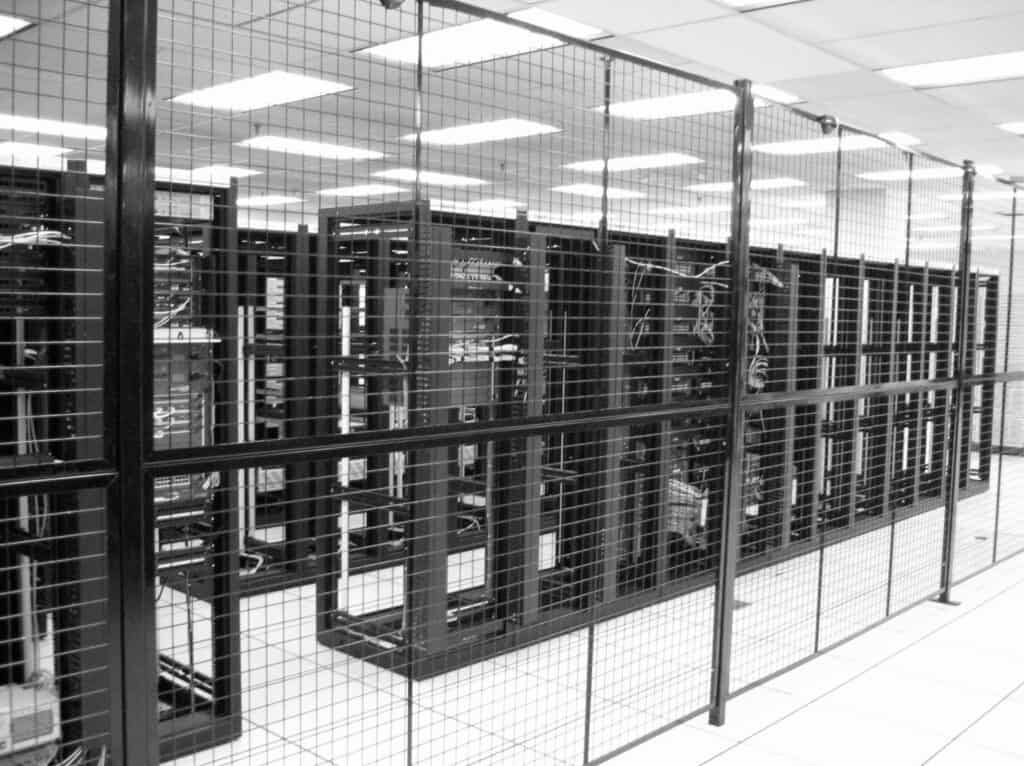
Residents cite familiar concerns. Data centers require enormous amounts of electricity and water, and they often offer few permanent jobs in return. They can increase utility costs, strain public infrastructure, and tie up land for low-activity uses. The public benefits — usually framed around tax revenues or tech-sector prestige — are less immediate or tangible for those living nearby.
These projects also tend to rely heavily on local and state tax incentives. But as some cities have discovered, the costs may not balance out. Subsidies offered up front can dwarf long-term revenue gains, especially if power and water systems require costly upgrades or if local governments must cover new infrastructure without guaranteed returns. I wrote about the specifics of such incentives in Kansas City, Missouri, earlier this year.
The backlash isn’t purely about economics. In many places, residents are raising environmental concerns. Water-stressed areas question the logic of allowing high-demand facilities that operate 24/7. Cities with tight electricity grids worry about reliability and long-term capacity. In both cases, the problem isn’t just scale — it’s alignment with local infrastructure limits.
For cities considering tech-driven growth strategies, this wave of resistance offers a useful prompt. Rather than viewing large data facilities as default positives, local leaders should start with clear assessments: What is the net impact on infrastructure? How will the facility affect existing utility rates and capacity? Are the economic benefits both measurable and shared?
One potential reform is to tie any local incentives to infrastructure readiness. If a city cannot meet power or water demand without major upgrades, public dollars might be better spent elsewhere. Alternatively, cities could shift their incentive frameworks toward smaller, more energy-efficient operations that distribute demand more evenly across neighborhoods.
Cities should also require clearer public benefit disclosures. Before approving a major facility, leaders can request modeling on grid impacts, water use, and anticipated tax contributions. These assessments should be public and standardized, not tailored by the developer.
Data centers may be part of the future, but they are not a one-size-fits-all solution. Cities will need to balance their role in the digital economy with their obligations to residents. That means evaluating growth not just by square footage or investment totals, but by the long-term capacity of civic infrastructure to sustain it.