

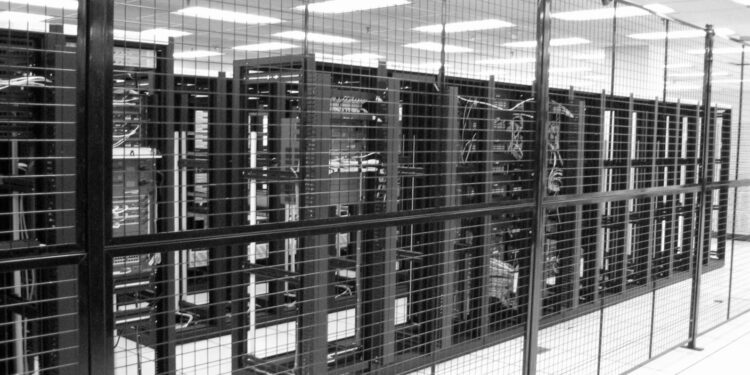
In Northern Virginia, now the country’s dominant data-center hub, land once entitled for homes is being sold at prices residential builders cannot match. One subdivision approved for hundreds of units was sold for server development. Another homebuilder flipped land to Amazon for a multiple that would have been unthinkable a decade ago. Between 2013 and 2021, data centers accounted for as much as 30% of land development in Loudoun and Prince William Counties. In the past two years, growth has accelerated further.
At the same time, the region faces a documented housing shortfall of more than 75,000 units. Homes that do reach the market sell quickly, often above asking price.
The pattern is not confined to Virginia. Parker notes similar dynamics in Illinois, Texas and Georgia, where data-center developers are outbidding housing projects for land, labor and materials. In tight markets, that matters. When industrial uses can pay several multiples more per acre, residential projects simply do not pencil out.
Data centers generate tax revenue and support the digital economy. Those benefits are real. But they also consume large tracts of land, demand substantial energy infrastructure and attract capital that might otherwise support housing construction. In supply-constrained metros, those tradeoffs become acute.
Local politics are beginning to reflect that tension. Officials who once welcomed data centers as fiscal windfalls now face constituents who would prefer additional homes to additional server farms.
For municipal leaders, the takeaway is straightforward: land is finite. Zoning decisions made in response to short-term revenue opportunities can have long-term housing consequences.
Parker’s reporting is worth reading in full. It offers a clear, fact-driven look at how AI-driven development is intersecting with the country’s housing shortage—and why cities should think carefully before allowing one priority to displace another.