
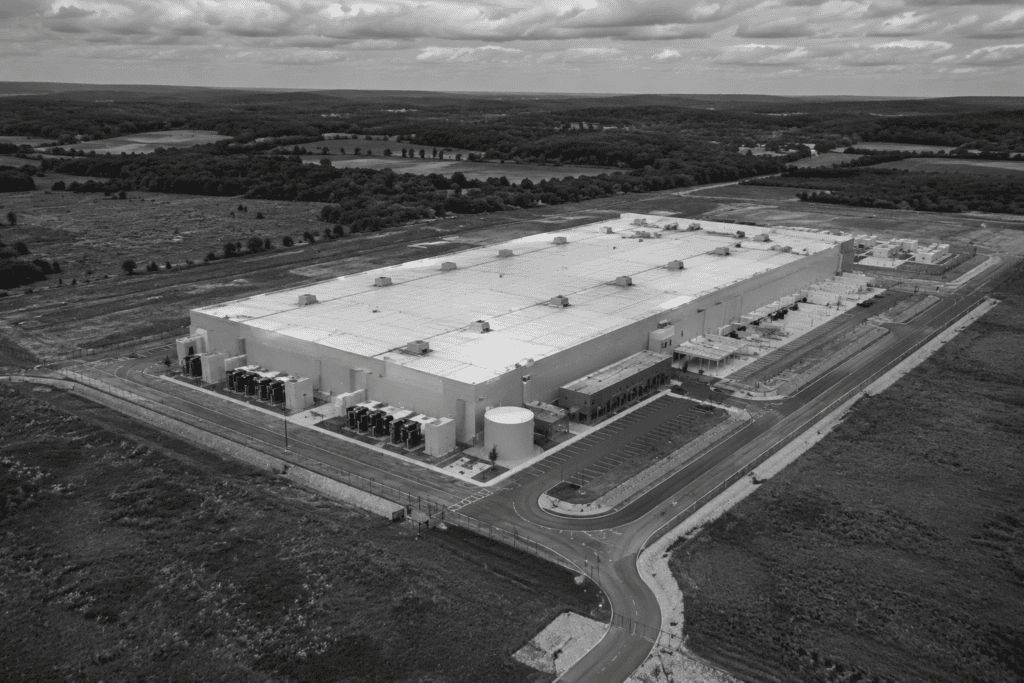
Across the country, Loudoun County, Virginia, tells a similar story with different numbers. Data centers now generate almost half of the county’s property tax revenue, and the county has cut its real property tax rate every year for a decade—from $1.145 per $100 of assessed value in 2016 to $0.805 in 2026. A 2026 report by Mangum Economics for the Northern Virginia Technology Council found that without data center revenue, the typical Loudoun homeowner’s property tax bill would need to rise by roughly $5,800 a year just to maintain current service levels.
These are useful data points at a moment when data centers have become a favorite municipal villain. Cities and counties around the country are enacting construction bans and moratoriums, citing power costs, water use and neighborhood disruption. Some of those concerns are legitimate. But Quincy and Loudoun suggest that, handled correctly, a data center boom can be one of the more durable fiscal assets a local government can land. It’s dense commercial tax value that funds services without loading costs onto homeowners—and without the traffic, school growth or public-safety strain that housing or retail development typically brings.
The word doing the work in that sentence is “correctly.” Neither Quincy nor Loudoun bought its data centers with public money. Microsoft came to Quincy for cheap hydropower, not tax abatements. Loudoun’s advantage is proximity to fiber infrastructure and a deep regional market, not a bidding war. In both places, the county collected taxes on commercial property that would otherwise not exist, and residents got the benefit without the county borrowing against a projection.
That is not how every city is playing it. Kansas City offers the counterexample. PortKC, the city’s port authority, authorized $10 billion in bonds to help lure Meta and Google data centers to the region. Incentives for the Meta project alone could reach $8.2 billion over 37 years—more than triple the city’s entire annual budget. The promised windfall hasn’t shown up. Smithville School District, which serves the area around Meta’s Project Velvet campus, has reported tax payments in the low thousands, not the millions once projected. A national study by the nonprofit Good Jobs First found this pattern is common: data center subsidy deals frequently produce a poor return on investment, because the facilities are capital-intensive but generate few permanent jobs, often at a cost approaching $2 million per position.
The contrast is instructive for policymakers weighing their own data center proposals. A facility that pays ordinary commercial property taxes, on infrastructure a company builds with its own capital, is a genuine fiscal asset—one that broadens the tax base and can lower the burden on everyone else. A facility built on public bonds, discounted utility rates and abated taxes is a different animal entirely, and the fiscal case for it depends entirely on assumptions about future revenue that, as Smithville has learned, do not always hold up.
Local officials facing a data center proposal do not need to choose between welcoming the industry and protecting taxpayers. They need to ask which version of the deal they are actually getting. Does the developer need public financing to make the project work, or is it paying its own way in exchange for land use approval and grid access? Are the tax projections independently verified, or supplied by the developer’s own consultants? Is there a clawback provision if promised revenue does not materialize? Quincy and Loudoun did not need a special deal to benefit from data centers—they needed the industry to show up and pay ordinary taxes on extraordinarily valuable property. Cities chasing the next data center campus should ask why they’d need to offer any more than that.