

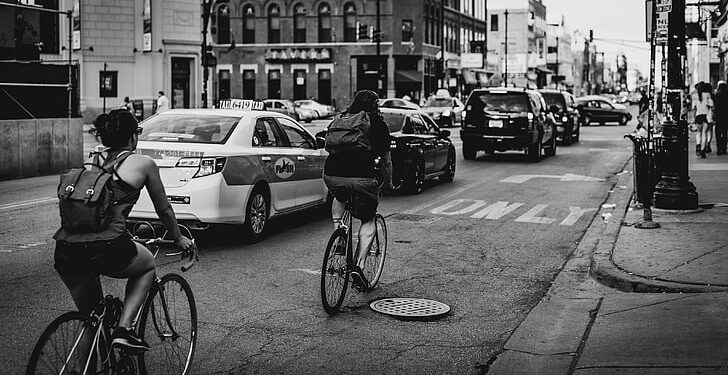
The pricing set up is pretty straightforward: since January 2025, drivers entering Manhattan south of 60th Street pay a toll — $9 at peak hours — tracked through E-ZPass and a network of license-plate cameras.
The traffic numbers moved the way supporters predicted. Vehicle entries into the zone fell 11% compared to pre-toll baselines. Average speeds inside the zone rose 4.6%, and speeds on the crossings into Manhattan jumped 23%. Congestion pricing is meant to make driving less attractive at the margin and free up the roads for everyone who still chooses to drive. A year in, it appears that is what happened.
The revenue side backs this up as well. Transit ridership rose 9% as some displaced drivers shifted to buses and trains. The program generated an average of $55 million a month, enough for the MTA to bond $15 billion against future toll revenue for its capital plan — money that pays for subway and rail improvements without raising a broader tax.
One number stands out for reasons that have nothing to do with traffic engineering: emergency response times inside the zone fell 5–6%, or roughly 63 to 70 seconds per call.
This tracks with what we wrote here two years ago, when Gov. Hochul paused the program indefinitely. Critics argues it would burden low-income drivers and merely push traffic elsewhere. But congestion pricing in cities that have actually tried it tends to generate more support once the results show up than the debate beforehand would suggest.
That doesn’t make New York a template. The Tax Foundation is careful to note the city’s profile — the nation’s largest population, one of the densest job concentrations in the world, a transit system with no real American peer — isn’t one other cities can simply copy. What worked in Manhattan worked partly because of things that are unique to Manhattan.
Still, the case for congestion pricing no longer rests on London and Stockholm. New York now has its own full year of data, and on the questions that mattered most to critics — does it actually reduce congestion, does it actually fund transit — the answer so far is yes.