


Better Cities Project
  • Home
  • About Us
    Our Vision
    BCP’s vision is that free-market municipal policy solutions are broadly available, widely acceptable, and regularly employed, enabling American cities to achieve their full potential as engines of economic prosperity. We reject the idea that cities are lost to free-market principles or policies.
    Our Mission
    BCP uncovers ideas that work, promotes realistic solutions, and forges partnerships that help people in America’s largest cities live free and happy lives.
    Learn More
    • About Better Cities Project
    • Our Focus Areas
    • Our Team
    • Collaboration and Careers -- Work With BCP
  • Research and Projects
  • Latest Insights
  • Videos
  • Contact

    Address

    304 S. Jones Blvd #2826
    Las Vegas NV 89107

    Phone

    (702) 608-2046‬

    Hours

    Monday through Friday, 8 a.m. - 5 p.m.

    Email

    info@better-cities.org

No Result
View All Result
Better Cities Project
  • Home
  • About Us
    Our Vision
    BCP’s vision is that free-market municipal policy solutions are broadly available, widely acceptable, and regularly employed, enabling American cities to achieve their full potential as engines of economic prosperity. We reject the idea that cities are lost to free-market principles or policies.
    Our Mission
    BCP uncovers ideas that work, promotes realistic solutions, and forges partnerships that help people in America’s largest cities live free and happy lives.
    Learn More
    • About Better Cities Project
    • Our Focus Areas
    • Our Team
    • Collaboration and Careers -- Work With BCP
  • Research and Projects
  • Latest Insights
  • Videos
  • Contact

    Address

    304 S. Jones Blvd #2826
    Las Vegas NV 89107

    Phone

    (702) 608-2046‬

    Hours

    Monday through Friday, 8 a.m. - 5 p.m.

    Email

    info@better-cities.org

No Result
View All Result
Better Cities Project
No Result
View All Result
Home Community, Growth and Housing

When data centers crowd out housing

AI infrastructure is reshaping local land markets in ways city leaders can’t ignore

Patrick TuoheybyPatrick Tuohey
February 18, 2026
in Community, Growth and Housing
Reading Time: 2 mins read
A A
Powering progress or draining resources?
Share on FacebookShare on TwitterLinkedInEmail
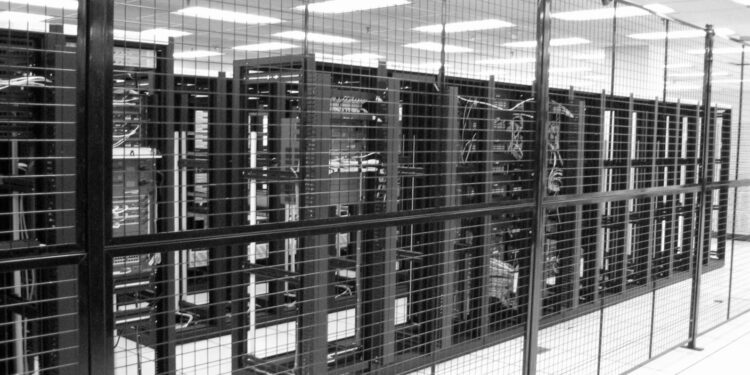
In The Wall Street Journal, Will Parker reports on a development trend that should have the attention of local officials nationwide: data centers are not just reshaping skylines and power grids—they are competing directly with housing.

In Northern Virginia, now the country’s dominant data-center hub, land once entitled for homes is being sold at prices residential builders cannot match. One subdivision approved for hundreds of units was sold for server development. Another homebuilder flipped land to Amazon for a multiple that would have been unthinkable a decade ago. Between 2013 and 2021, data centers accounted for as much as 30% of land development in Loudoun and Prince William Counties. In the past two years, growth has accelerated further.

At the same time, the region faces a documented housing shortfall of more than 75,000 units. Homes that do reach the market sell quickly, often above asking price.

RelatedInsights

Inequality matters in housing—but supply still sets the price

Why the housing shortage defies easy math—and what cities can do about it

Portfolio homes show how pre-approved designs can scale

Why American cities stopped building — and how to fix it

The pattern is not confined to Virginia. Parker notes similar dynamics in Illinois, Texas and Georgia, where data-center developers are outbidding housing projects for land, labor and materials. In tight markets, that matters. When industrial uses can pay several multiples more per acre, residential projects simply do not pencil out.

Data centers generate tax revenue and support the digital economy. Those benefits are real. But they also consume large tracts of land, demand substantial energy infrastructure and attract capital that might otherwise support housing construction. In supply-constrained metros, those tradeoffs become acute.

Local politics are beginning to reflect that tension. Officials who once welcomed data centers as fiscal windfalls now face constituents who would prefer additional homes to additional server farms.

For municipal leaders, the takeaway is straightforward: land is finite. Zoning decisions made in response to short-term revenue opportunities can have long-term housing consequences.

Parker’s reporting is worth reading in full. It offers a clear, fact-driven look at how AI-driven development is intersecting with the country’s housing shortage—and why cities should think carefully before allowing one priority to displace another.
Tags: Data CentersEconomic DevelopmentGrowthHousingInfrastructure
Previous Post

Inequality matters in housing—but supply still sets the price

Next Post

What Missouri can learn from Kansas’s budget crisis

Patrick Tuohey

Patrick Tuohey

Patrick Tuohey is co-founder and policy director of the Better Cities Project. He works with taxpayers, media, and policymakers to foster understanding of the consequences — sometimes unintended — of policies such as economic development, taxation, education, and transportation. He also serves as a senior fellow at Missouri's Show-Me Institute and a visiting fellow at the Virginia-based Yorktown Foundation for Public Policy.

Explore More

  • Economic Prosperity
  • Criminal Justice and Public Safety
  • Transportation and Infrastructure
  • Education
  • Energy and Environment
  • Community, Growth and Housing
  • Clean, Open and Fair Government

Recent News

What Missouri can learn from Kansas’s budget crisis

What Missouri can learn from Kansas’s budget crisis

February 18, 2026
Powering progress or draining resources?

When data centers crowd out housing

February 18, 2026
Inequality matters in housing—but supply still sets the price

Inequality matters in housing—but supply still sets the price

February 17, 2026
The stadium subsidy debate is over and economists have moved on

The stadium subsidy debate is over and economists have moved on

February 9, 2026
Load More
Facebook Twitter RSS
Better Cities Project

BCP helps local leaders leverage public policy to create freer and happier communities. We uncover what works, promote solutions, and forge partnerships that turn ideas into results.


© 2025 Better Cities Project

Our Focus Areas

  • Economic Prosperity
  • Criminal Justice and Public Safety
  • Transportation and Infrastructure
  • Education
  • Energy and Environment
  • Community, Growth and Housing
  • Clean, Open and Fair Government

The Fine Print

  • Privacy Policy
  • Terms and Conditions
  • Reports and Financials

Recent News

What Missouri can learn from Kansas’s budget crisis

What Missouri can learn from Kansas’s budget crisis

February 18, 2026
Powering progress or draining resources?

When data centers crowd out housing

February 18, 2026
Inequality matters in housing—but supply still sets the price

Inequality matters in housing—but supply still sets the price

February 17, 2026

Welcome Back!

Login to your account below

Forgotten Password?

Retrieve your password

Please enter your username or email address to reset your password.

Log In

Add New Playlist

Love Cities? So Do We.

Get ahead of the curve -- learn about innovations, ideas and policies driving change in America's largest cities, with BCP in your inbox.


You have Successfully Subscribed!

No Result
View All Result
  • About Us
  • The Team
  • Work With Better Cities Project
  • Research and Projects
  • Latest Insights
  • Videos

© 2025 Better Cities Project